According to REMIRA, one of Germany’s largest software providers for supply chain and commerce, omnichannel solutions will be redefined in 2026: It’s not the number of channels that matters, but how simple, reliable, and human the shopping experience feels across all touchpoints. Those who pass complexity on to the customer will lose. Those who, on the other hand, resolve it in the backend and create a positive experience on the sales floor will win.
In the future, customers will shop in a more selective and value-driven manner. They expect seamless transitions between the app, online store, and brick-and-mortar store—including reliable availability and honest advice. “Cautious consumption” meets high expectations for convenience. Retailers who break down silos and view their sales areas as value-adding hubs are ahead of the curve. “The motto is ‘One stack. One inventory. One journey,’” says Frank Noß, Vice President of Sales Commerce at REMIRA. He anticipates “that the year 2026 will mark a turning point for omnichannel solutions.”
These 10 trends will shape the coming year:
Hyper-personalization – people-centered
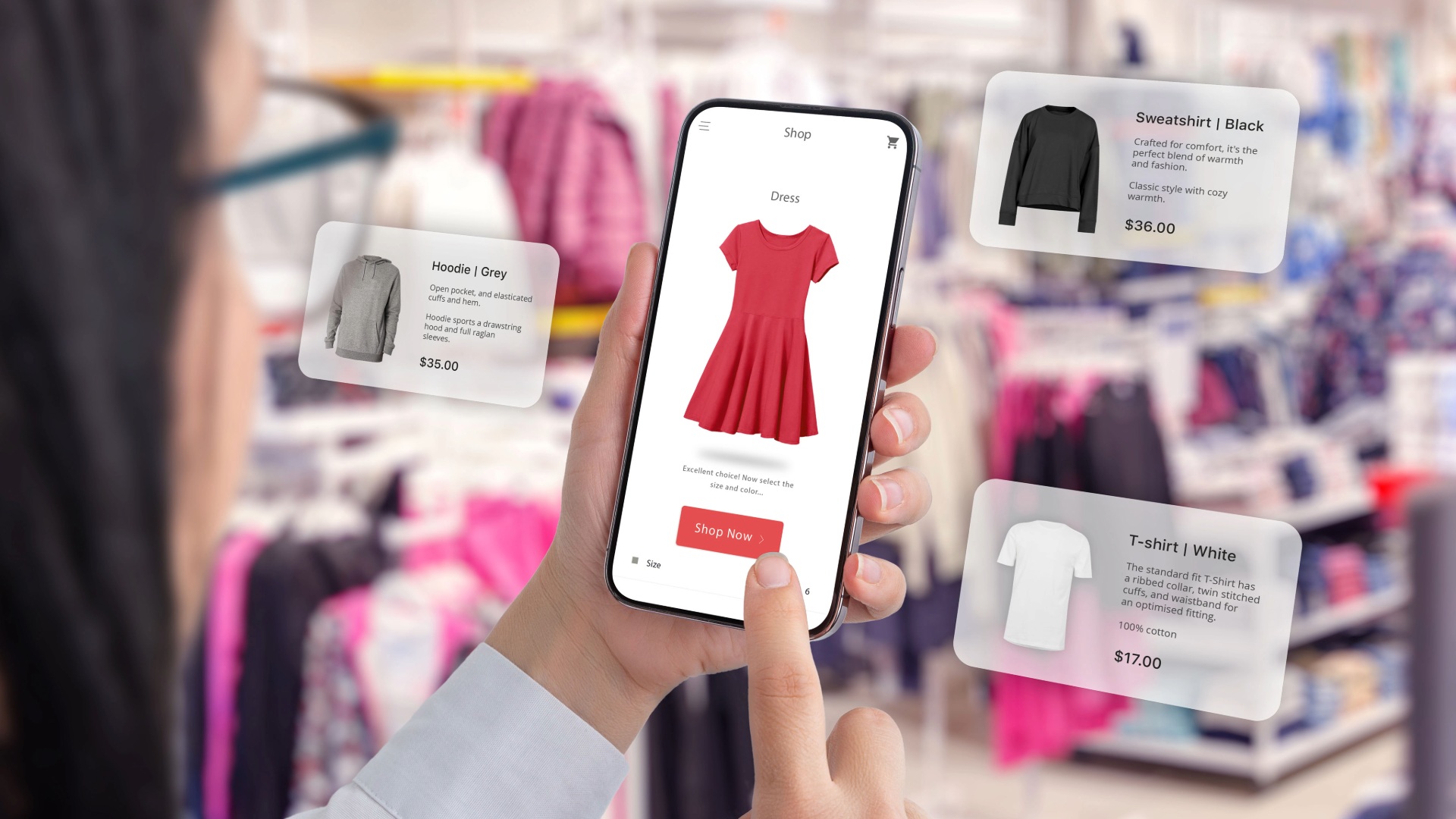
Personalization doesn’t end with a banner; it begins with a conversation: Sales associates are becoming true consultants who know customer histories, size preferences, or shopping carts, and thus initiate the “Next Best Conversation.” The answer to this trend is a clienteling and in-store app serving as a hub for customer advice. mPOS and digital receipts transform the payment moment into a service touchpoint. “mPOS” stands for “Mobile Point of Sale” and refers to a mobile point-of-sale system that runs on portable devices such as smartphones or tablets. Clienteling uses customer data to create personalized relationships and tailored shopping experiences. This boosts customer loyalty and sales.
Unified/composable commerce – modular reality
Data silos and monolithic systems slow down progress. By 2026, API-first architectures will integrate the point of sale (POS), order management system (OMS), merchandise management system (MMS), loyalty programs, payment, signage, and digital price tags into a responsive whole. This makes the retail sector more adaptable and less dependent on monolithic systems. The solution is an integrated retail stack with open interfaces—from pilot to rollout. An “API-first stack” is a software development approach in which application programming interfaces (APIs) are designed and developed first, before the actual front end (user interface) or other components are built.
A Single Source of Truth – RFID & process discipline
An accurate, cross-channel view of inventory remains the foundation of every omnichannel model. Omnichannel software must therefore deliver inventory accuracy of over 97%. RFID technology and consistent, clear processes enable real-time inventory tracking and ensure transparency. The merchandise management system and order management system should be RFID-ready and feature rule-based allocations from shelf to web availability. “RFID-ready” means being prepared for the future use of radio-frequency identification technology to identify merchandise in real time, whether in the warehouse or on the sales floor.
Fulfillment as a profit lever
Omnichannel services such as “Click & Collect” or “Return In Store” are standard and are only profitable if they are intelligently managed. Smart routing logic and real-time data determine speed and profit. Profit-driven routing in the order management system protects margins and shortens delivery times.
Retail media—even on the sales floor
In-store screens and ESLs (electronic shelf labels) are becoming part of the retail media inventory. An example: Digital signage solutions use interactive touchpoints to optimize customer engagement on the sales floor. Large touchscreens display digital messages about products that automatically adapt to various situational parameters, such as the weather and current inventory levels.
Value orientation & transparency
Consumers reward brands that offer reliability and clear added value. To achieve this, retailers need clean data, consistent prices, and transparent availability.
Checkout flexibility & digital receipts
Self-checkout, assisted checkout, and traditional POS coexist. Customers can use self-checkout apps on their smartphones. To do so, the customer scans the retailer’s code with their smartphone camera. mPOS, payment integrations, and digital receipts work hand in hand.
Recurating the product assortment
Cross-sells and bundles transform “just fashion” into experiential product assortments. Analytics from merchandise management, combined with POS bundles and in-store guides, drive sales.
Zero/first-party data & omni-login
A single login across all channels, with opt-ins that offer real benefits to customers. The data required for personalized consulting (clienteling) must be processed in full compliance with data protection and consent guidelines. The customer must have actively consented to the use of their data for specific purposes (e.g., marketing, consulting, profiling). This consent must be legally compliant, transparent, and documented. It can be revoked at any time. There are no “gray areas” or hidden opt-ins.
AI in a pragmatic way—for effectiveness on the sales floor
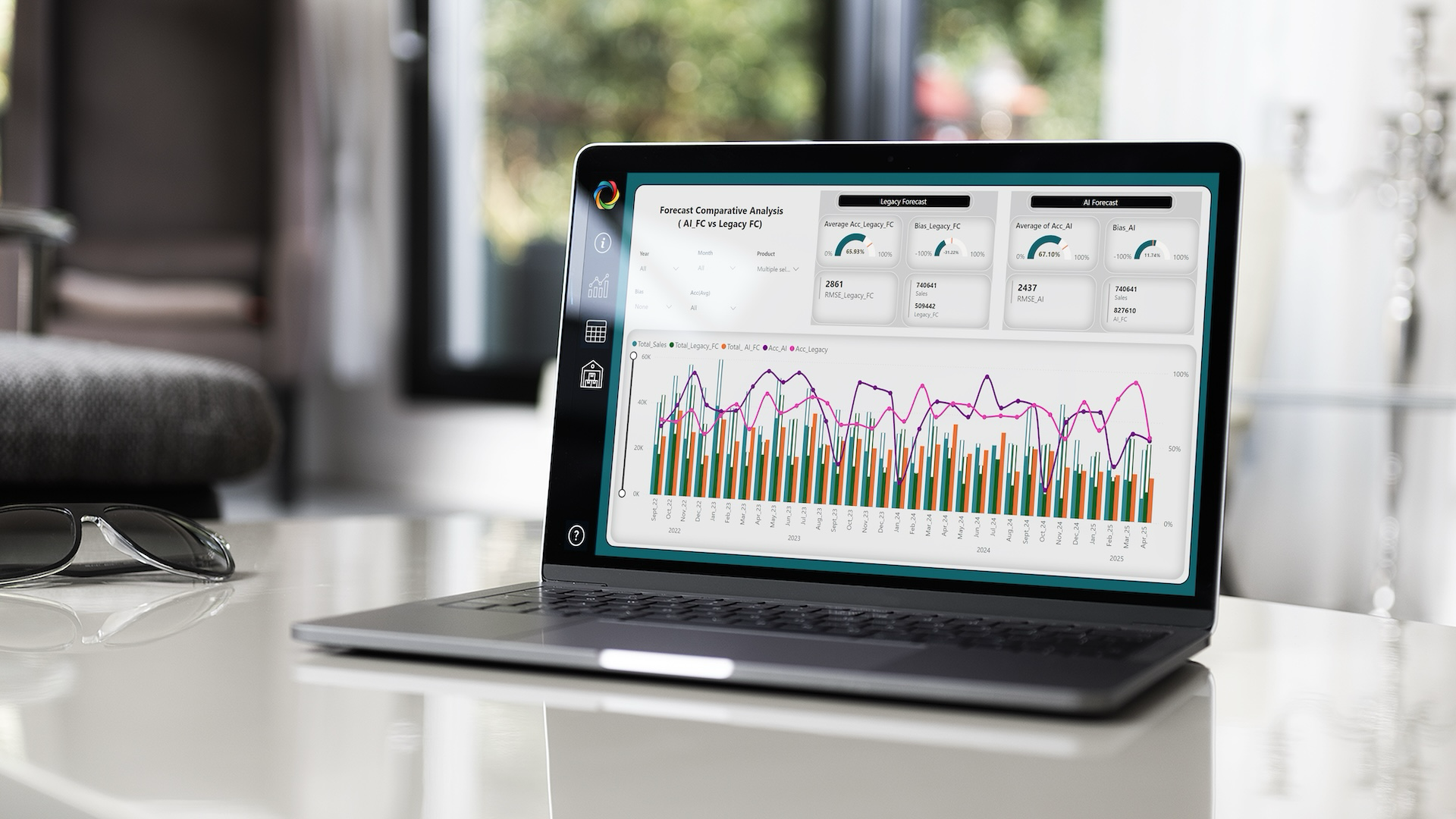
AI enhances the human touch: Sales forecasting, inventory management, and sales assistance all play a role here. Forecasting future demand, sales, or inventory levels is vital to business survival. It ensures that sufficient products are available—without excess inventory. Digital support for in-store sales associates is designed to improve advice and the customer experience. Tools display product information, inventory levels, cross-selling suggestions, and customer data on tablets or smartphones. The result can be an AI-powered recommendation for a customer’s “next best outfit.”
In summary, omnichannel in 2026 means: moving complexity out of the customer experience and into the backend. Retailers who rely on an integrated stack create seamless customer journeys and ensure profitability.
If you’d like to implement exactly that in your store, please contact us.
We’d be happy to help!