Supplier Colla­boration Software

The REMIRA supplier collaboration software solution offers simple integration of all suppliers into the digital supply chain as a SaaS solution. It ensures efficient processes, complete transparency and optimizes ordering and delivery processes.

What your supplier management software must be able to do

The ongoing digitalization of supply chains brings with it increasing pressure to deliver products exactly when they are needed. Even well-organized purchasing departments face major challenges as they have to coordinate a large number of suppliers, manage orders effectively and maintain all communication with (intra)logistics. With comprehensive supplier management and supplier integration software, purchasing departments can manage supplier relationships systematically and efficiently. A comprehensive view of supplier relationships makes it possible to minimize risks, increase efficiency and promote innovation. In addition, advanced supplier management software provides the ability to respond with precision and flexibility to market dynamics and associated challenges. With up-to-date data and customized metrics, decision makers can monitor supplier performance in real time and optimize the supply chain to secure competitive advantage in a complex and volatile market and shape the company's future successfully.

Woman with tablet plans transportation

Those who are already successfully managing their suppliers 

GUESS
Zollner
paul-shark-logo
woolrich-logo
hama_corretto
Wilhelm Brandenburg
FÖRCH
ONEAL
sikla logo
Porsche Design
Steiff Logo

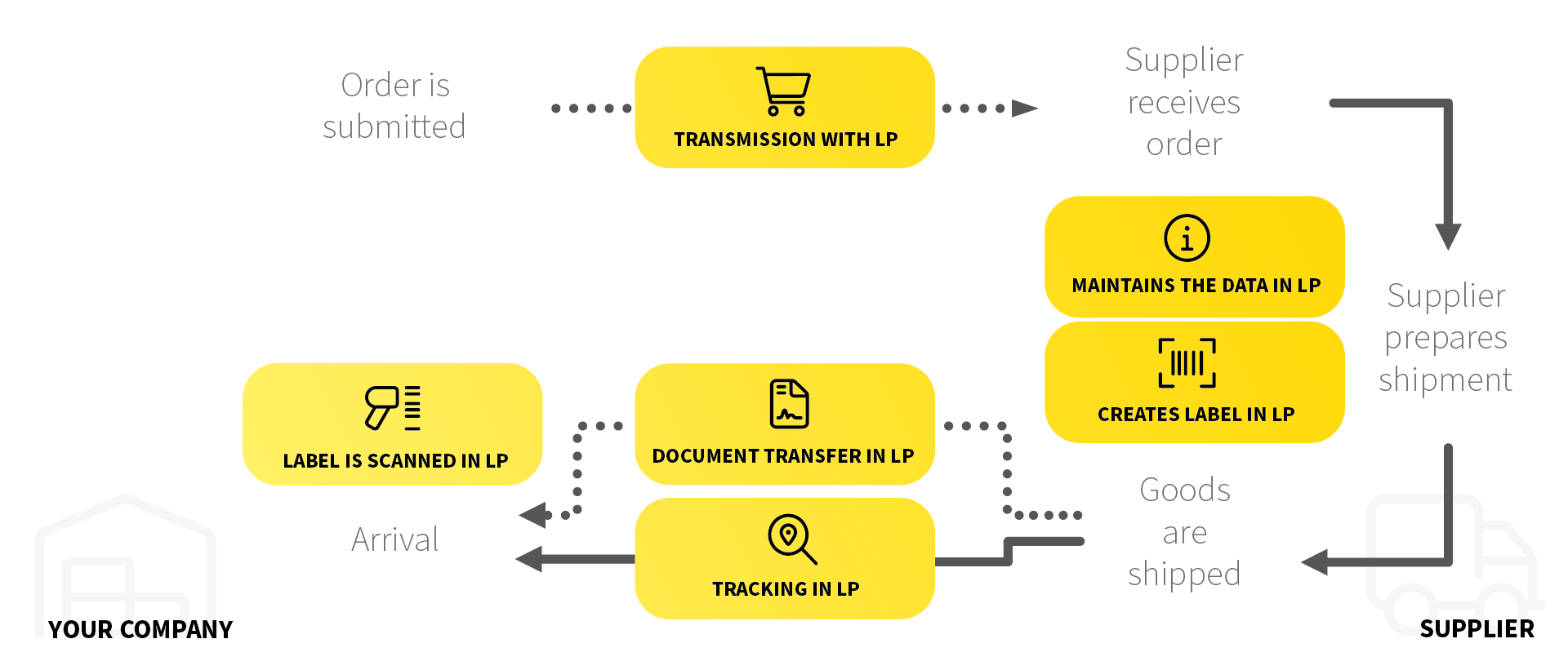
The supplier management process

Process of supplier management
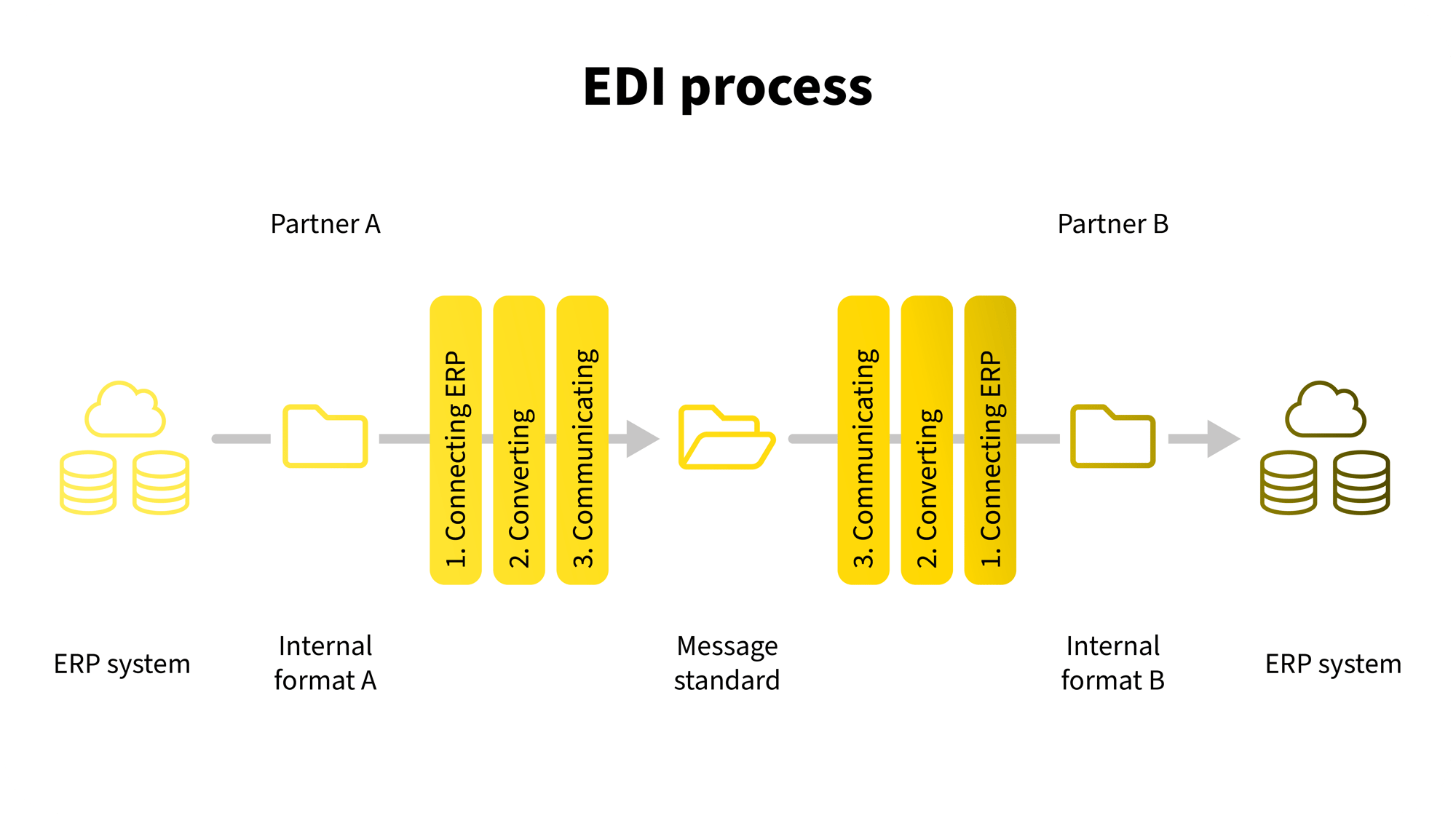
EDI Process

Digital exchange with or without EDI

Our supplier management software is the ideal solution for small and medium-sized companies for which the introduction of EDI is too expensive or too complex. The web-based tool is a less complex solution that also enables suppliers without their own EDI system to participate in the digital processes of purchasing in an uncomplicated and efficient way.

Read more about this in our blog:

   Discover EDI possibilities   

Supplier management software with a special focus on the following industries

Employee production machine dark@JustLife - stock.adobe.com


Production

Software for the production industry:
IBP
S&OP
APS

Stocktaking
Supplier Collaboration
Shopping cart retail Retail@monticellllo - stock.adobe.com


Retail

Software for the retail industry:

IBP and S&OP
Forecasting
Replenishment
Stocktaking
Omnichannel Commerce
Supplier Collaboration
Order Management

Employee in warehouse wholesale Warehouse dark @pressmaster - stock.adobe.com


Wholesale

Software for the wholesale industry:

IBP and S&OP
Forecasting
Replenishemnt
Stocktaking
Omnichannel Commerce
Supplier Management
Order Management

Couple in the DIY store DIY dark@Nomad_Soul - stock.adobe.com


Building materials &
DIY

Software for building materials & DIY:
Forecast
Replenishment
Stocktaking
Omnichannel Commerce
Supplier Collaboration
Order Management

Tennis Tennis racket Sport dark @ivanko80 - stock.adobe.com


Sports &
Games

Software for sports & games:
S&OP
Sales Forecast
Procurement
Inventory
Omnichannel Commerce
Supplier Management
Order Management
Elektronik @Ievgen Tytarenko - stock.adobe.com


Electronics

Software for electronics:
 

IBP and S&OP
Forecast
Replenishment
Stocktaking
Omnichannel Commerce
Supplier Collaboration
Order Management

FAQ Supply Collaboration Software

Supplier management software helps companies centrally manage and analyze all information, processes, and key metrics related to their suppliers. This includes master data maintenance, qualifications, evaluations, communication, risk management, and contract management. The goal is to make collaboration with suppliers more efficient, transparent, and less risky. The term “supplier portal” is also commonly used; this refers to a digital platform for structured communication and collaboration with suppliers. This collaboration also extends to the operational handling of procurement. Through such portal solutions, orders are transmitted to the supplier, who can then generate an order confirmation directly from the system. The goal is electronic data exchange for order processing. Additionally, the system handles delivery tracking and the transmission of electronic delivery information from suppliers to customers. This serves as advance notice of which items and in what quantities will actually be shipped from the order. 

The software creates transparency, saves time through automation, reduces risks, and improves collaboration with suppliers. Companies benefit from lower costs and higher quality. Furthermore, the use of supplier management software prevents manual errors that people make, for example, during goods receipt or when manually entering order confirmations.

A professional solution should cover the following functions: central supplier files, onboarding processes, qualification and audit management, supplier evaluation (e.g., based on quality, price, and on-time delivery), risk assessment, document management, communication, compliance tracking, and integration with ERP systems. Advanced solutions also offer workflow automation and business intelligence functions.

Supplier management software digitizes the supply chain and is therefore a key approach to creating high transparency and providing customer-specific overviews of orders, current status, risk analyses, and all other information about their goods from a single source. For example, certificate checks are automated, or risk scorecards are generated.

This enables companies to meet legal requirements, such as those mandated by the Supply Chain Act.

Companies typically achieve measurable results quickly. The benefits of specialized supplier management software are evident in time and cost savings, improved supplier performance, reduced risks, and enhanced compliance assurance.

Important KPIs would include, for example: usage rate per supplier, automation rate (e.g., 90% of orders confirmed via software), reduction in manual effort in procurement, on-time delivery after implementation, or the number of incorrect invoices/documents.

No. It is common to start with strategically important A or B suppliers. As a rule, it is reasonable to define that the number of suppliers to be integrated should account for 80% of the procurement volume.

The REMIRA supplier management software is a SaaS or cloud solution and part of the REMIRA PLATFORM.

First, suppliers must be classified according to their importance (A/B/C suppliers).

Next, a training and communication package is prepared to train employees. After that, a pilot group is launched to provide feedback, following which improvements may be made. This is followed by a phased rollout with support (hotline, help portal).

  • Suppliers may initially be skeptical about the implementation. It is important to involve them in the processes early on, highlight the benefits, and offer training on the software.
  • Technical issues with the interfaces may also arise. A sufficiently long PoC phase and well-documented APIs help ensure a smooth launch.
  • If no internal project owner is designated, delays and ambiguities can quickly arise. Project leads must therefore be named from the outset, and objectives clearly defined.
  • Excessive or unrealistic customization requests can also cause problems. The correct approach is to maintain standard processes and avoid excessive customization.
Colleagues in conversation Business Meeting @peopleimages.com - stock.adobe.com (1)

Curious about our supplier management software solution?

We would be happy to show you free of charge and without obligation what our software solutions can do, which solution best suits your company and answer all your questions. We look forward to getting to know you and your company!